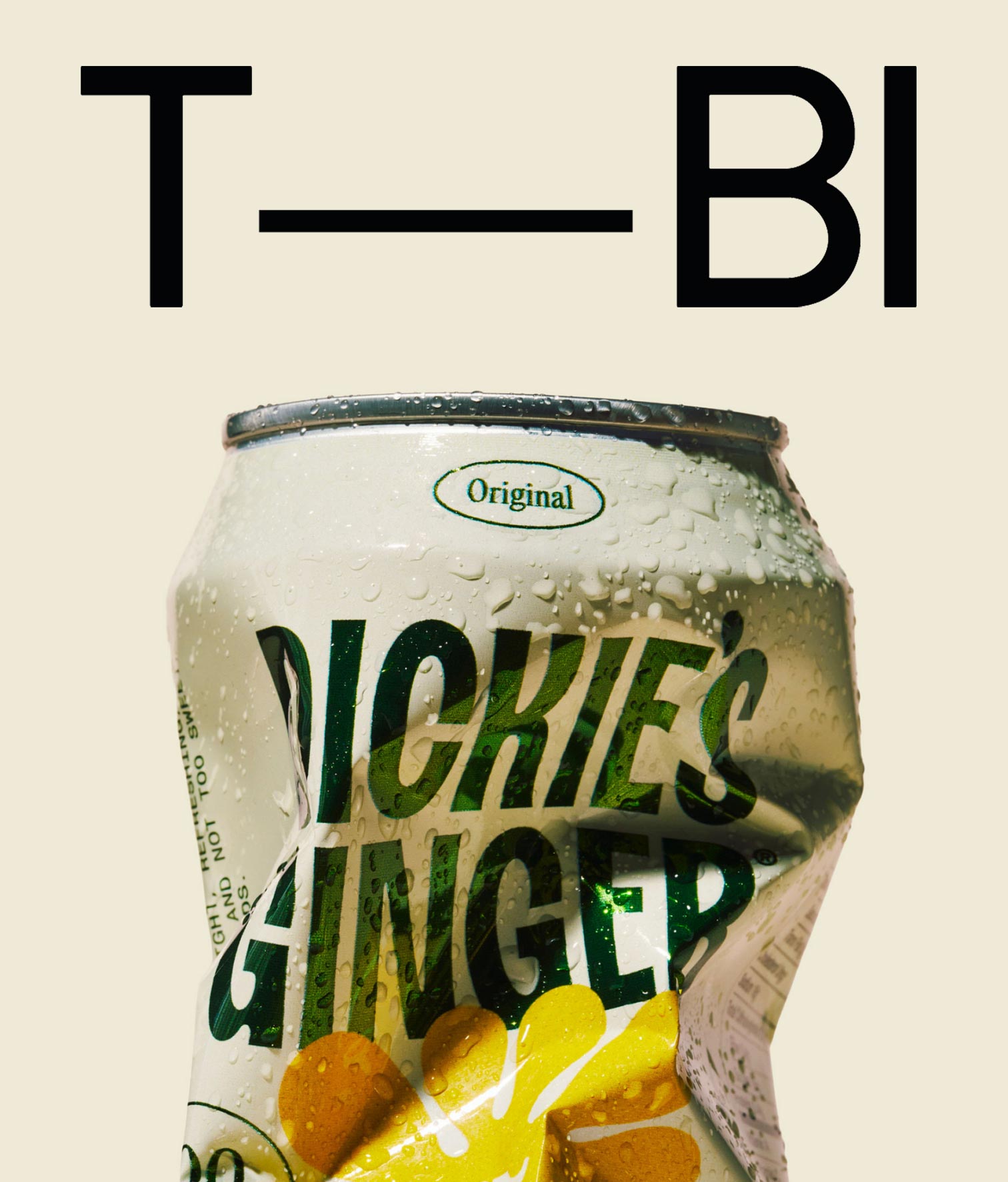
Dickie’s Ginger on The Brand Identity
Our rebrand of Dickie’s Ginger has been featured by The Brand Identity. As one of the industry’s most respected design publications, The Brand…
One of the clearest signs is misalignment—when your messaging or identity no longer reflects your offerings or how you deliver them. That disconnect leads to confusion, both inside and outside your organization. It also erodes trust, especially when teams aren’t aligned on how to talk about the brand. Companies with strong employer brands attract more qualified applicants—because clarity inspires confidence.
Then there’s visibility. If people don’t recognize or remember your brand, you’re losing ground. Consumers prefer to buy from brands they know, and consistent branding can boost revenue.
As the landscape gets more competitive, your brand needs to do more heavy lifting. New players enter, expectations shift, and what used to work may no longer resonate. Sometimes it’s not the product or the service—it’s the perception.
Your audience might be evolving, too. Their needs, behaviours, and values shift over time. If your brand hasn’t kept pace, you risk becoming irrelevant. And if your look and feel is coming across as dated? That matters more than ever.
Here’s the bottom line: when your brand isn’t aligned, understood, or resonant, everything gets harder—sales, hiring, growth. A brand refresh doesn’t mean starting over. It’s a strategic reset that realigns your brand with where your business is now—and where it’s headed.
If you’re feeling stuck, it might not be the market. It might be your brand. And it’s worth taking a closer look.
1Gallup, Customer Brand Preference and Decision-Making, 2023
Our rebrand of Dickie’s Ginger has been featured by The Brand Identity. As one of the industry’s most respected design publications, The Brand…

We’re honoured to have been recognized at this year’s West Coast Creative Awards (The Coasties), taking home three awards.
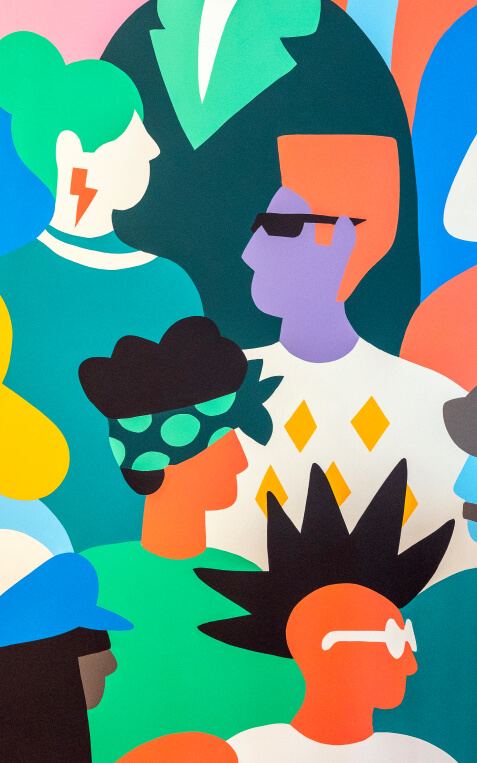
Coinciding with the opening of new headquarters for Trulioo – a digital identity verification company – we collaborated with local Muralist,…
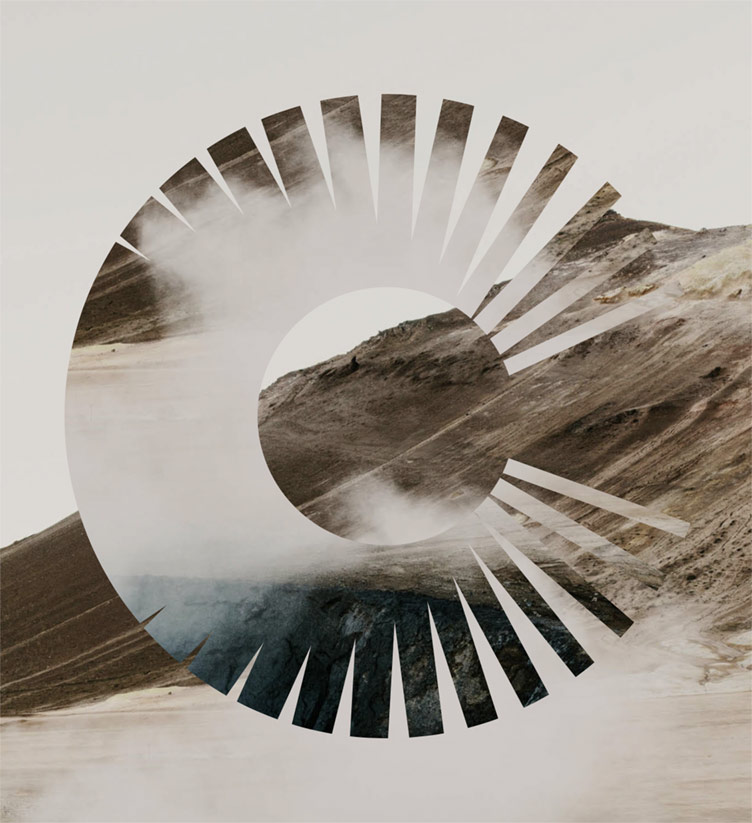
We recently developed the brand for a cloud-based software company in the geotech space called Cambio. We began by renaming the software Cambio…
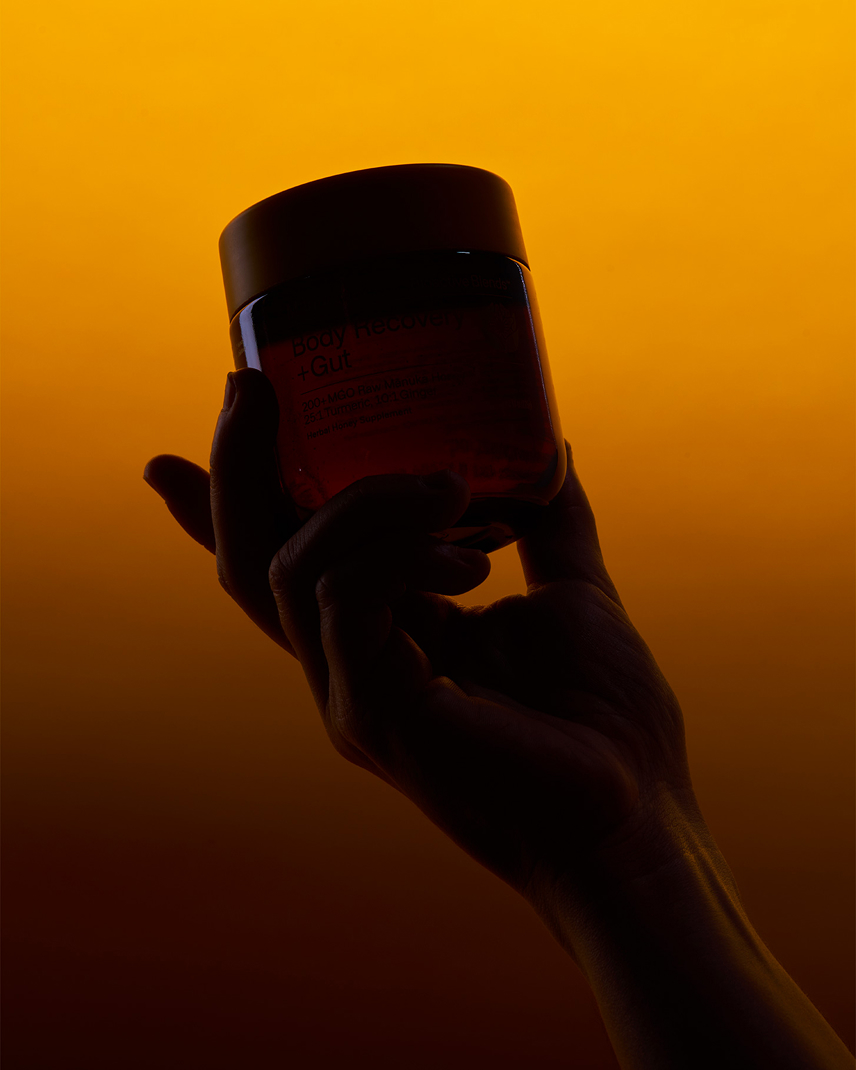
We partnered with Manukora on the launch of their new Bioactive Blends™ line – available in stores and online Summer 2026. Leading the…
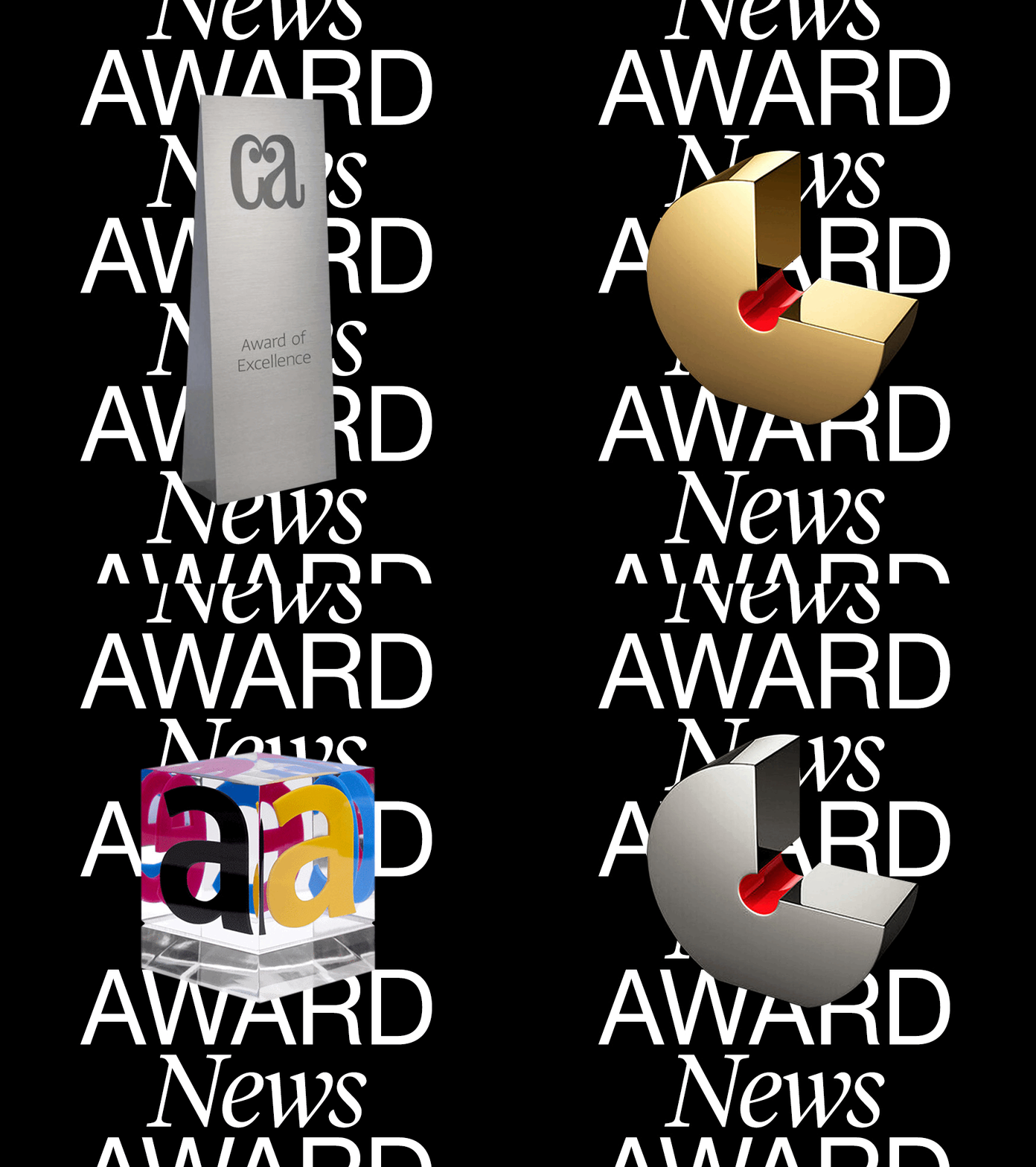
Over the past few months a number of the brands and creative projects we’ve completed have won several design awards. There’s nothing more…
Most brand work fails before the agency ever shows up. Not because the brief is wrong or the budget is limited. Because the internal team isn’t…
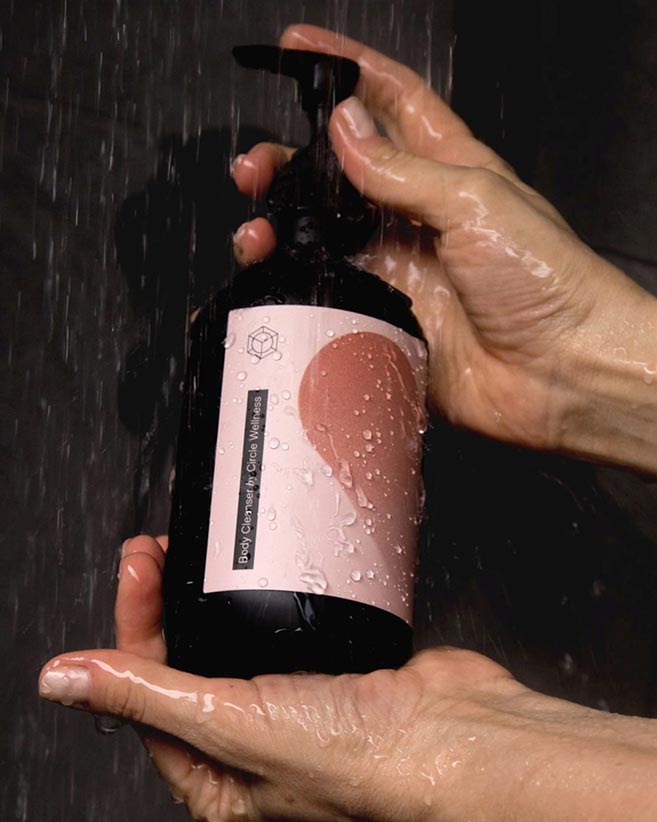
We recently partnered with Circle Wellness to develop a new line of bodycare products. The private self-guided thermal spa is the first of its…
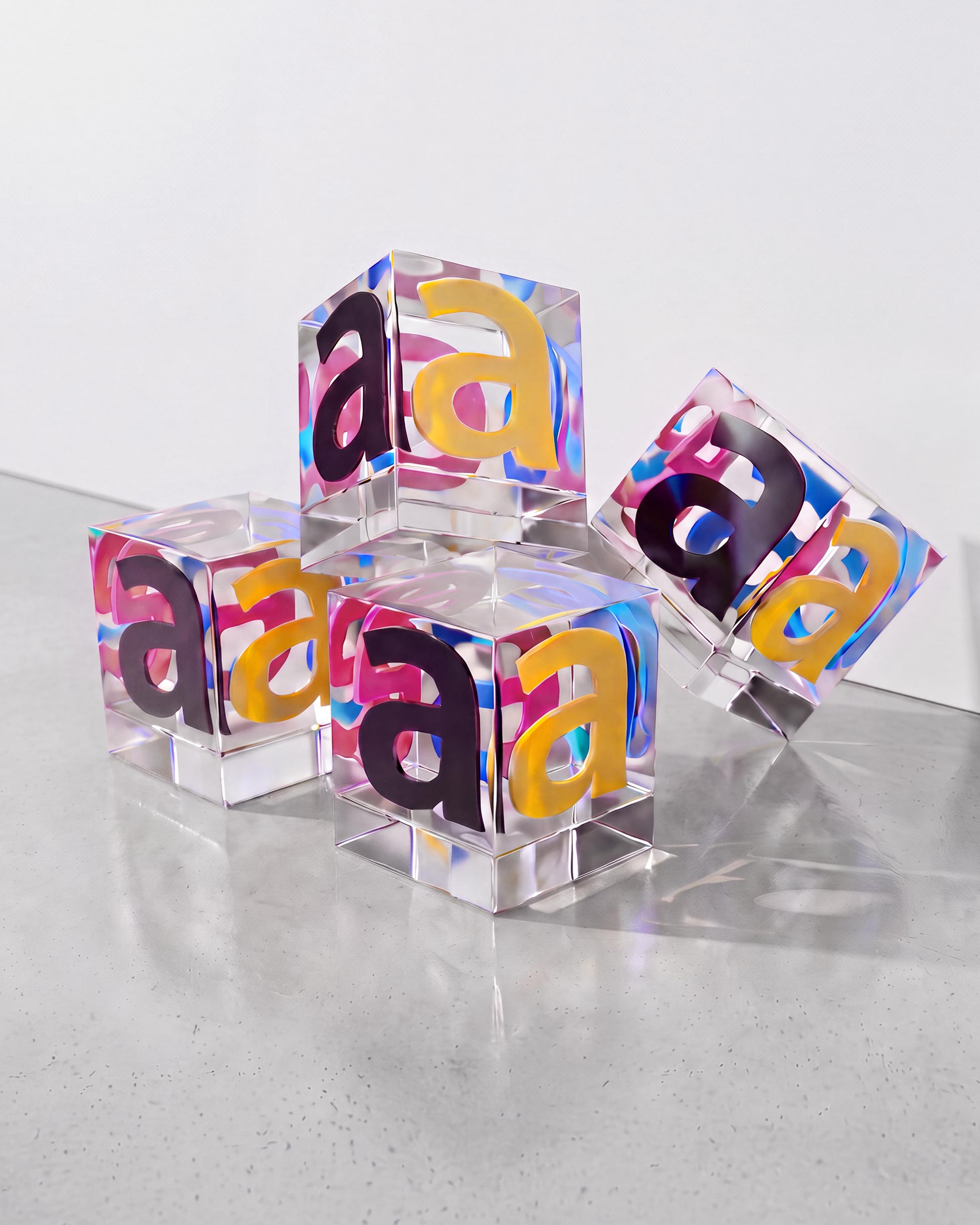
We’re proud to share that our work has been recognized in this year’s Applied Arts Design Competition, earning four awards across branding,…
Finding ways to support and encourage diversity within a team is an integral part of building an inclusive culture. TransUnion, a global…